DWI Checkpoints in Robeson County, NC: A Driver’s Guide
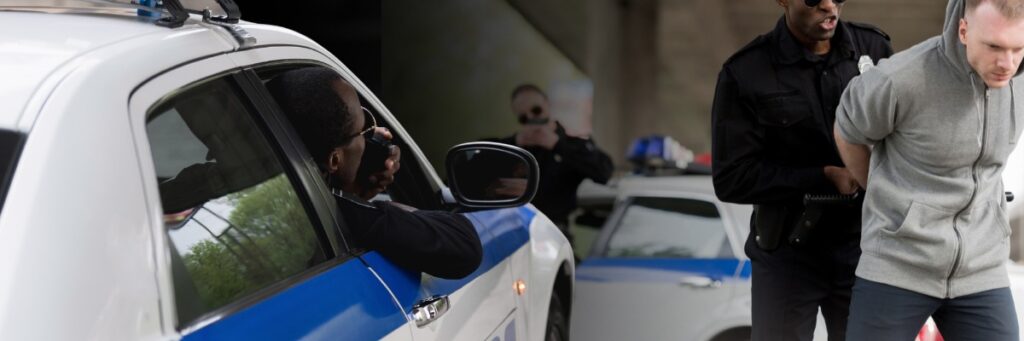
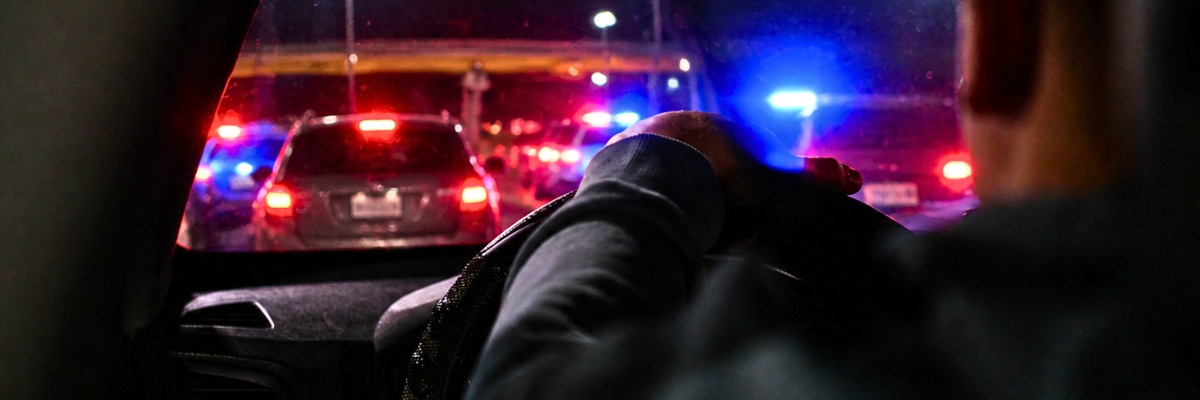
Seeing flashing blue lights and a line of stopped vehicles ahead can make anyone nervous, even when they’ve done nothing wrong. For drivers in Lumberton, Pembroke, and other parts of Robeson County, encountering a DWI checkpoint is a common reality. During holidays and other periods associated with increased alcohol-related crashes, the chances of getting stopped by officers only increase.
Entering a checkpoint does not automatically mean you are suspected of impaired driving. However, what happens during those few minutes can quickly become the basis for a longer investigation, roadside testing, an arrest, and the loss of your driving privileges.
Knowing what to expect can help you remain calm, avoid making the situation worse, and protect your rights.
Are DWI Checkpoints Legal in North Carolina?
Yes. Law enforcement agencies in North Carolina may conduct checkpoints to investigate compliance with the state’s motor vehicle laws. That includes checking licenses, vehicle registrations, insurance coverage, and possible impairment.
However, officers cannot simply set up a roadblock and stop whichever drivers they choose. North Carolina law requires checkpoints to operate under written guidelines and a predetermined stopping pattern that limits an individual officer’s discretion. Officers might stop every vehicle, every third vehicle, or use another neutral pattern.
The North Carolina Court of Appeals recently examined a checkpoint conducted in Robeson County in State v. White. That checkpoint was held on South Old Stage Road in September 2022 and stopped every vehicle traveling in both directions. The court upheld this checkpoint after considering factors such as advance authorization, its stated license-and-registration purpose, the neutral stopping pattern, supervisor involvement, marked patrol vehicles, visible blue lights, and uniformed officers.
That decision does not mean every checkpoint is automatically legal. The setup, purpose, written plan, stopping pattern, supervision, and conduct of the officers may all matter when a defense attorney reviews a checkpoint arrest.
When and Where Are DWI Checkpoints Held in Robeson County?
There is no permanent schedule or fixed list of DWI checkpoint locations in Robeson County. Police agencies may announce an enforcement campaign without publishing the exact road, intersection, or operating time. Other checkpoints may receive little or no advance publicity.
The North Carolina State Highway Patrol and local agencies have historically increased enforcement during major travel holidays and statewide impaired-driving initiatives. Drivers should expect checkpoints on or around:
- New Year’s Eve and New Year’s Day
- Memorial Day weekend
- The Fourth of July
- Labor Day weekend
- Thanksgiving
- Christmas
- Local festivals, concerts, sporting events, and community celebrations
- Statewide “Booze It & Lose It” enforcement campaigns
A checkpoint may be placed on a city street, rural road, highway, etc. North Carolina law generally directs agencies to use random or statistically indicated locations and to avoid repeatedly placing checkpoints in the same location.
The safest approach is not to try to predict or avoid enforcement. Make transportation arrangements before drinking. Use a designated driver, rideshare service, taxi, or arrange to stay where you are. Making a solid plan beforehand is far easier than dealing with a DWI charge afterward.
What Should You Do as You Approach a Checkpoint?
First, slow down safely. Do not stop abruptly, make an illegal turn, drive through a parking lot, or commit another traffic violation in an attempt to get away from the checkpoint.
Turning onto another road before reaching a checkpoint is not automatically illegal when the turn itself is lawful. However, evasive driving, sudden maneuvers, equipment violations, or other suspicious circumstances will attract an officer’s attention and potentially provide a separate reason for a traffic stop.
As you approach the officer:
- Lower your window.
- Keep your hands visible.
- Turn down the radio.
- Avoid reaching around the vehicle unexpectedly.
- Be prepared to provide your driver’s license, registration, and proof of insurance.
- Remain calm, even if you disagree with what is happening.
If the police decide to make an arrest, do not argue your case on the roadside. Get in touch with the Gross Law Group as soon as possible. Our legal team can help determine whether the checkpoint was properly authorized or legally operated.
Do You Have to Answer the Officer’s Questions?
When approaching the officer, only provide information that’s legally required: your identity, driver’s license, and insurance. You do not have to volunteer a detailed account of where you have been, who you were with, what you ate, and if you drank.
An officer may ask questions such as:
- “Where are you coming from?”
- “Where are you headed?”
- “Have you had anything to drink tonight?”
- “When was your last drink?”
- “How many drinks did you have?”
Your answers will be recorded in the officer’s report and used as evidence. Even a statement that you had “only one beer” may be used alongside an odor of alcohol, red eyes, speech patterns, driving behavior, or roadside test results.
Instead, respectfully say:
“I would prefer not to answer questions without speaking to an attorney.”
Don’t lie, provide false documents, or become confrontational. Exercising your rights and obstructing an officer are not the same thing.
Can the Officer Extend the Checkpoint Stop?
A routine checkpoint interaction is generally supposed to be brief. However, an officer may extend the stop when the officer develops reasonable suspicion that a law has been violated.
Possible observations may include:
- An odor of alcohol or marijuana
- Slurred or unusually slow speech
- Red or glassy eyes
- An open container or visible paraphernalia
- Difficulty locating documents
- An admission to drinking
- Confusion or unusual behavior
- Unsafe driving before reaching the checkpoint
North Carolina law permits an officer at a checking station to request an alcohol screening test if the driver admitted to drinking or if an open container is seen inside the vehicle. The result may be considered when deciding whether to investigate further.
What Happens During a DWI Investigation?
When an officer suspects impairment, the driver may be directed to a secondary area away from the main checkpoint line. The officer may ask additional questions, request a roadside breath-screening test, and ask the driver to perform field sobriety exercises. They intend to establish probable cause for a DWI arrest, so do not take their directions lightly. These exercises are not as simple as they may appear. Medical conditions, injuries, anxiety, fatigue, uneven pavement, poor lighting, footwear, age, and confusing instructions can all affect a person’s performance. Tell the officer about any physical or medical limitation that could interfere with your ability to complete an exercise.
Drivers should also understand that Miranda warnings generally are not required before pre-arrest roadside questioning or field sobriety testing. Waiting to “hear your rights” before taking the situation seriously can be a costly mistake.
Roadside Screening Tests and Chemical Tests Are Not the Same
After a DWI arrest, North Carolina’s implied-consent law allows an officer with the required grounds to request a chemical analysis of your breath or blood. The officer must advise you of certain statutory rights and consequences. A willful refusal can trigger a separate driver’s license revocation, even before the criminal DWI case is resolved.
Because the consequences of refusing or submitting can depend on the circumstances, avoid relying on broad advice from friends, social media posts, or online forums. Listen carefully to the rights that are read to you and request an attorney as soon as you are permitted to do so.
What Should You Do If You Are Arrested at a Robeson County Checkpoint?
A DWI arrest can feel overwhelming, but an arrest is not a conviction. The hours and days that follow are important.
Remain Calm
Do not resist, argue, threaten officers, or attempt to explain your way out of the charge. Statements made in the patrol vehicle, at the station, or during processing may be recorded.
Ask for an Attorney
Clearly state that you want to speak with a lawyer. Once you have requested counsel, avoid discussing the facts of the case with officers or other people at the detention facility.
Pay Attention to the Implied-Consent Notice
Listen closely when the officer advises you of your chemical-testing rights. The law may provide a limited opportunity to contact an attorney and have a witness observe testing procedures, but the testing process will not necessarily be delayed indefinitely.
Preserve Information
As soon as you are able, write down everything you remember, such as:
- The checkpoint’s location
- The approximate time you arrived
- Traffic signs, cones, lights, and patrol vehicles
- Which vehicles appeared to be stopped
- What each officer said
- How long you were detained
- Which tests you were asked to perform
- Road, weather, and lighting conditions
- Any medical conditions or injuries you mentioned
- The names or descriptions of potential witnesses
Small details can become important when an attorney evaluates whether the checkpoint and investigation complied with the law.
Do Not Miss Court or License Deadlines
A DWI charge can involve both a criminal court case and separate consequences for your driver’s license. The North Carolina court system reports final traffic convictions to the Division of Motor Vehicles, and certain DWI-related revocations can take effect before the criminal case reaches trial. Don’t assume the court date printed on your citation is the only deadline that matters.
Charged With DWI After a Robeson County Checkpoint? Call the Gross Law Group.
Being arrested for DWI can put your license, employment, finances, and reputation at risk. It can also leave you feeling embarrassed, frightened, and unsure of what to do next.
We understand that good people can find themselves in difficult situations. Our role is to examine the evidence, explain your options, protect your rights, and build the strongest defense available under North Carolina law.
Remember, an arrest is the beginning of the case, not the end of it. Contact the Gross Law Group today to discuss your Robeson County DWI checkpoint arrest and learn what steps you can take to protect your future.